


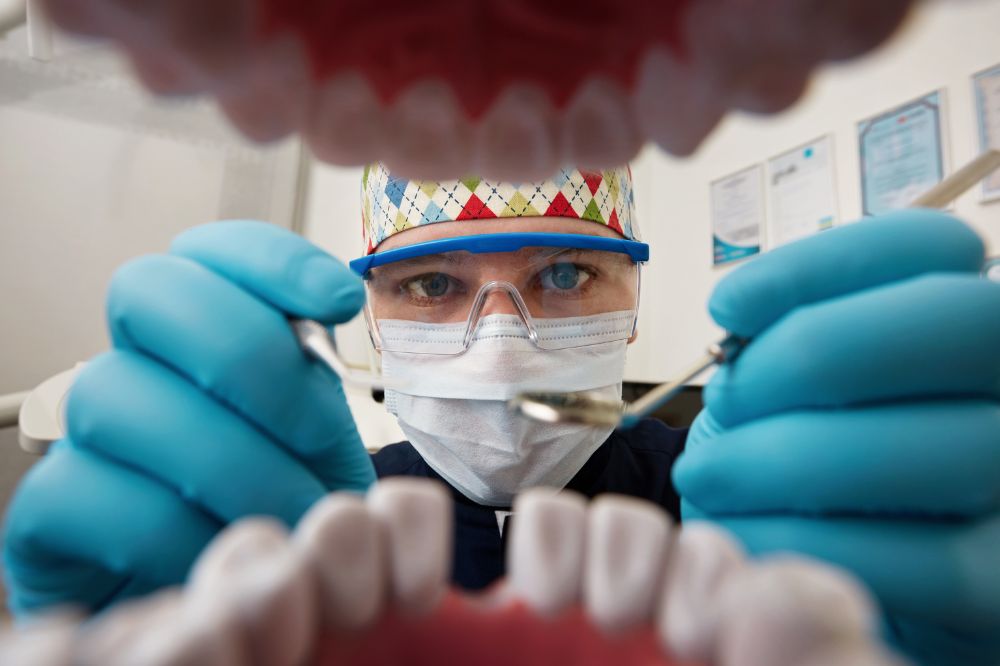
A dentist may suggest dental crowns when a tooth is weak, broken, or badly decayed. A dental crowns in Mississauga is a strong cap that covers the whole tooth. It protects the tooth and helps it work like normal again. Many patients search for dental crowns near them when they have pain or damage in a tooth. This guide explains the types of dental crowns, the treatment steps, and how to take care of them.
What Are Dental Crowns?
Dental crowns are tooth-shaped caps placed over a damaged tooth. The crown covers the part of the tooth above the gum line. It helps restore the size, shape, and strength of the tooth. A crown also improves chewing and appearance.
A dentist in Mississauga may recommend dental crowns for several reasons:
- A large cavity that cannot be fixed with a filling
- Cracked or broken tooth
- Tooth after root canal treatment
- Worn-down tooth
- To support a dental bridge
- To cover a dental implant
Crowns are made in a dental lab or sometimes in a clinic using digital technology.
What are the Types of Dental Crowns?
Not every tooth needs the same material. The choice depends on where the tooth is located in the mouth and how much pressure it handles when eating. Here are the common types of dental crowns:
- Porcelain Crowns: These look the most like natural teeth. They are great for front teeth because they match the colour of the other teeth perfectly.
- Metal Crowns: These are made of gold or other strong metals. They do not break easily, so they are often used for the big molars in the back of the mouth.
- Porcelain-Fused-to-Metal (PFM): This is a mix. It has a metal inside for strength and a porcelain outside, so it looks like a real tooth.
- Zirconia Crowns: This is a very tough type of ceramic. It is hard to break and looks very natural. Many people choose this for a balance of strength and looks.
The Treatment Steps: What Happens at the Clinic?
Getting a crown usually takes two visits to the dentist. The process is straightforward and keeps the mouth healthy.
- Examining the Tooth: First, the dentist takes an X-ray to check the roots and the bone. If the tooth has a lot of decay, a root canal might be needed first.
- Numbing and Shaping: The area around the tooth is numbed so nothing hurts. Then, the dentist gently shapes and trims the tooth on the top and sides. This makes room for the crown to fit over it.
- Making an Impression: The dentist uses a special paste or a digital scanner to make a copy of the tooth’s shape. This “mold” is sent to a lab where the permanent crown is made.
- Temporary Crown: Since the lab takes a week or two, a temporary crown is glued on with light cement to protect the tooth.
- Placement: On the second visit, the temporary cap is removed. The permanent crown is checked to make sure it fits the bite. Once it is perfect, it is glued on with permanent dental cement.
How Long Do Dental Crowns Last?
Dental crowns can last 10 to 15 years or even longer with good care. The lifespan depends on oral hygiene, chewing habits, and regular dental visits.
Avoid biting hard objects like ice or pens. Teeth grinding, also called bruxism, can damage crowns. A night guard may be suggested if grinding is present.
How to Maintain Dental Crowns
Even though dental crowns are not real teeth, the natural tooth underneath and the gums around it still need care. If they are treated well, they can last for many years.
- Brush and Floss: Brush twice a day. It is very important to floss around the bottom of the crown to remove plaque.
- Avoid Hard Foods: Do not chew on ice, hard candy, or pens. This can crack the porcelain.
- Wear a Nightguard: If someone grinds their teeth while sleeping, a guard protects the crown from wearing down.
- Regular Checkups: Visit the dental clinic every six months. The dentist will check to make sure the crown is still sealed tight.
Wrapping Up
If you have a tooth that feels weak or is causing pain, asking about dental crowns near you is a great first step. This treatment helps keep your smile full and makes sure you can eat your favourite foods comfortably. Always talk to a professional to see which type is optimal for your specific needs.
Protect a Damaged Tooth with a Dental Crown
A damaged tooth can cause pain and make chewing hard. At IONA Dental Office, our dentist uses a dental crown to cover and protect weak or broken teeth. A crown restores the shape, size, and strength of the tooth. We carefully check the tooth, remove decay, and place a strong custom crown to give long-term support and comfort.
Call IONA Dental Office today to book your appointment with our dentist team near you.
FAQ
-
Does getting a dental crown hurt?
The dentist uses medicine to numb the tooth before starting. You might feel some pressure, but you should not feel any pain during the procedure. The tooth might feel a little sensitive for a few days after.
-
How long do dental crowns last?
Most crowns last between 5 and 15 years. This depends on how well the person brushes and if they avoid biting very hard objects.
-
Can a crown get a cavity?
The crown itself cannot rot, but the natural tooth underneath it can still get a cavity at the edge where the crown meets the gum. This is why brushing is still important.
-
Will the crown look different from my other teeth?
Modern porcelain and zirconia crowns are made to match the exact shade of the surrounding teeth. Most people will not even notice which tooth is the crown.
-
What should happen if a crown falls off?
If a crown comes loose, call the dental clinic immediately. Keep the crown clean and bring it to the appointment. The dentist can often clean it and glue it back into place.