


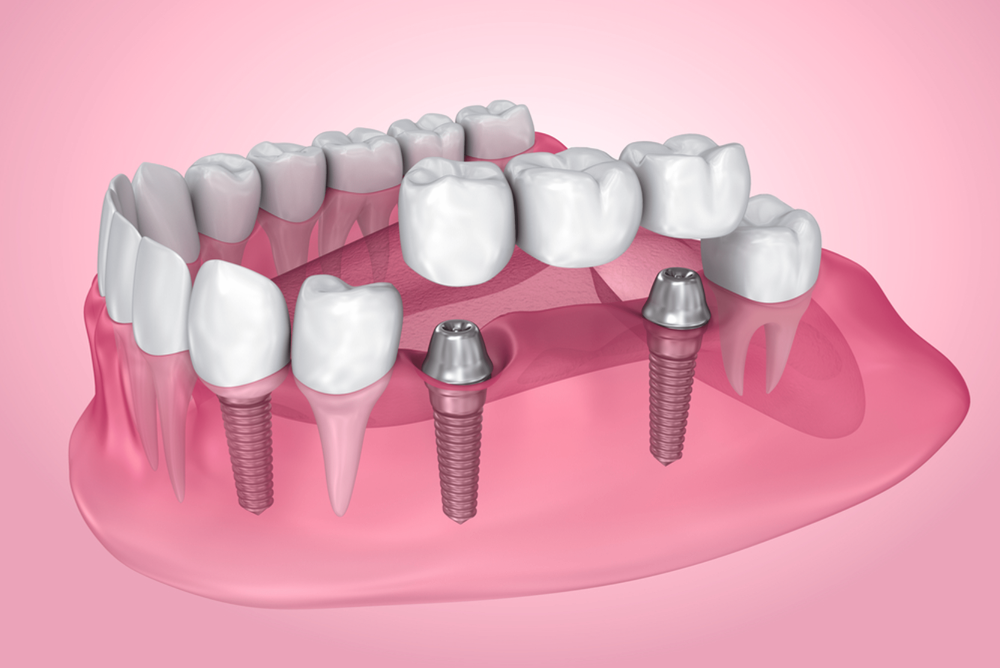
How do dental bridges help with chewing and speaking? Dental bridges replace missing teeth, allowing you to chew food properly, speak clearly, and maintain a strong bite. They fill the space with a natural-looking tooth, helping your mouth function properly. If you need a simple and reliable way to restore function, dental Bridges in Mississauga can help make everyday activities feel normal again.
What Happens When a Tooth Is Missing?
When you lose a tooth, it affects more than your smile. Your teeth help guide your bite and your tongue during speech. Without support, simple things become harder, such as:
- Chewing solid foods
- Pronouncing words like “s,” “t,” and “ch”
- Keeping other teeth from shifting
- Maintaining jaw comfort
A missing tooth may seem small, but it can change how your whole mouth works.
How Do Dental Bridges Improve Chewing?
A dental bridge fills the space with a strong, stable replacement tooth. This helps your mouth handle pressure when you eat.
Here’s how a bridge improves chewing:
- Restores stability: Your bite becomes balanced again.
- Helps you chew normally: You can enjoy tough or crunchy foods with less difficulty.
- Prevents uneven pressure: Other teeth don’t have to work harder, lowering the risk of wear or damage.
- Supports jaw function: Your jaw moves the way it’s meant to.
With the right fit, you can return to eating more comfortably and confidently.
How Do Dental Bridges Improve Speech?
Missing teeth can affect how air flows between your tongue and teeth, which changes the sound of certain words.
Here’s how dental bridges help speech:
- Better pronunciation: They replace the tooth that your tongue needs to touch for certain sounds.
- Clearer conversations: Your voice sounds more natural.
- Improved confidence: You speak freely without worrying about gaps.
- Less slurring or whistling: Bridges help guide airflow correctly.
A skilled dentist in Mississauga ensures that your bridge fits well, allowing you to speak naturally again.
What is the Dental Bridge Procedure?
The treatment process is simple and usually completed in two to three visits.
A typical procedure includes:
- Exam: Your dentist checks your teeth and gums.
- Preparation: The teeth adjacent to the gap may be shaped to accommodate crowns.
- Impression: A custom bridge is created to match your bite and smile.
- Placement: The bridge is fitted, adjusted, and bonded securely.
The result is a replacement tooth that feels comfortable and works naturally.
Types of Dental Bridges Compared
Here’s a quick look to help you understand the options:
| Type of Bridge | Ideal For | Dental bridge benefits |
| Traditional Bridge | One or more missing teeth | Strong, reliable, long-lasting |
| Cantilever Bridge | When there’s only one nearby tooth | Good for areas with lower bite force |
| Maryland Bridge | Missing front tooth | Minimal tooth shaping needed |
| Implant-Supported Bridge | Several missing teeth | Very stable, protects nearby teeth |
Your dentist will recommend the option that works well for your mouth and bite.
Signs You May Need a Dental Bridge
Here are common situations where a bridge may be helpful:
- Difficulty chewing certain foods
- Trouble pronouncing certain words
- A visible gap that affects your smile
- Shifting teeth or bite discomfort
- Wanting a simple alternative to implants
A dental bridge can be a strong, affordable, and long-lasting solution.
Let Us Help You Rebuild Your Smile With Confidence!
If you want to improve chewing, speaking, and overall comfort, a dental bridge is a simple and effective choice. At Iona Dental, our team provides personalized bridge treatment to restore function and confidence to your smile. Contact us today to begin your journey to a healthier, stronger bite.
FAQs
Do dental bridges feel like real teeth?
Yes, once placed, they feel natural and blend in with your bite.
Will a dental bridge make chewing easier?
Absolutely, bridges restore strength and balance, so eating feels normal again.
Can a bridge fix my speech problems?
Yes, replacing missing teeth helps you pronounce words more clearly.
How long does a dental bridge last?
With good care, many bridges last 10–15 years.