


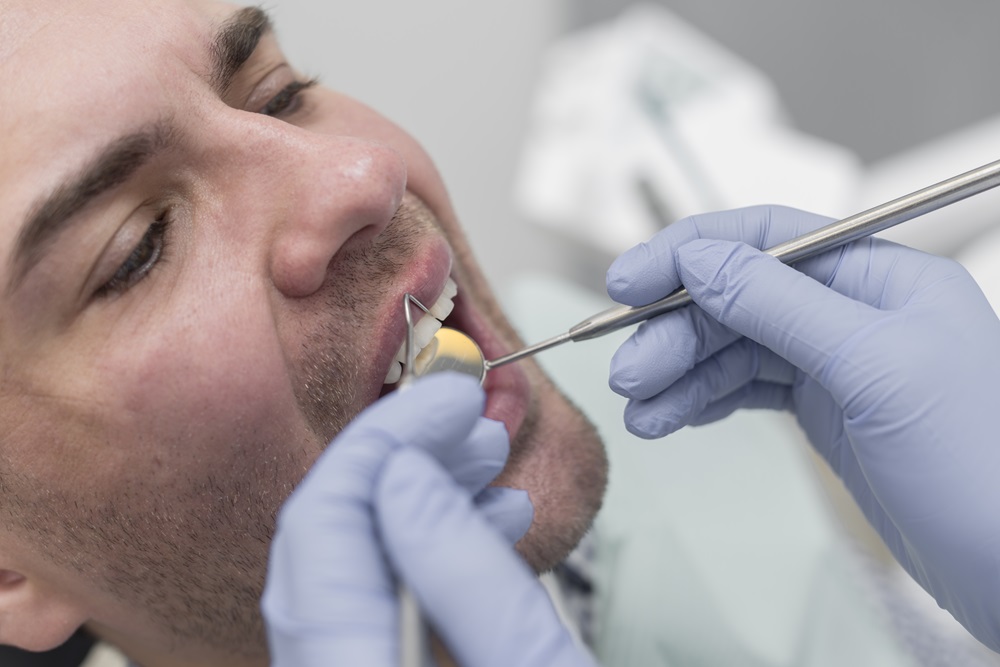
Are you looking for an easy way to stop a cavity from getting worse? Tooth decay is very common, but when caught early, it can be treated quickly. Many people choose dental fillings in Mississauga because they protect the tooth, prevent further damage, and relieve pain before it becomes a bigger problem. Knowing how fillings work can help you take better care of your smile and avoid future dental issues.
What Are the Main Benefits of Dental Fillings?
Using dental fillings benefits your oral health in many ways. Fillings repair the damaged part of the tooth and create a strong, protective covering.
Key benefits include:
- Stops decay from spreading deeper
- Protects the inside of the tooth
- Restores normal chewing
- Helps prevent future infections
- Blends with natural tooth colour (when tooth-coloured fillings are used)
Fillings also help keep the tooth strong so that you can eat and smile comfortably again.
What Happens During a Dental Filling Procedure?
The dental filling procedure is simple and usually completed in one appointment. The goal is to remove the damaged part of the tooth and fill the space to prevent bacteria from returning.
Simple breakdown of the steps:
- The dentist checks the tooth and confirms the cavity.
- The tooth is gently numbed for comfort.
- The decay is cleaned out carefully.
- The cleaned space is filled with a safe material.
- The filling is shaped and polished for a natural look.
This treatment restores the tooth’s shape and strength while protecting it from more decay.
How Do Fillings Protect Teeth From More Decay?
Fillings work like a shield. When a cavity forms, bacteria create tiny holes in the tooth. If left untreated, these holes grow deeper and damage the inner layers. A filling seals this area so bacteria can’t get inside again.
How fillings stop future problems:
- They block leftover bacteria.
- They prevent food from getting trapped.
- They strengthen weak areas.
- They stop cracks from forming.
- They help maintain the tooth’s structure.
Without a filling, a small cavity can quickly turn into a big problem, like an infection or the need for a root canal.
What Role Does a Dentist Play in Spotting Cavities Early?
A dentist in Mississauga can spot cavities when they are still small. Regular dental check-ups make treatment easier, faster, and more comfortable.
Your dentist can help with:
- Early cavity detection
- Choosing the right type of filling
- Preventing decay from returning
- Giving tips for better brushing and flossing
- Tracking changes in your oral health
Seeing a dentist early keeps treatment simple and protects your natural teeth for years.
How Fillings Compare to Other Decay Treatments
Some people wonder if they should get a filling right away or wait. But waiting can let bacteria spread and cause bigger problems.
Fillings vs. Other Treatments:
- Fillings: Best for small to medium cavities; fast and simple.
- Crowns: Needed when a tooth is too damaged for a filling.
- Root canals: Needed when decay reaches the tooth’s nerve.
- Extractions: Only used when the tooth cannot be saved.
Fillings are the most common and easiest solution because they stop decay early, before it becomes serious.
Protect Your Tooth Before the Damage Grows!
Ready to stop tooth decay and keep your smile strong? Book your visit today and let Iona Dental help restore your teeth with safe, comfortable, and long-lasting care.
FAQs
How long does a dental filling last?
Most fillings last many years, especially when you care for your teeth with good brushing and regular check-ups.
Can you feel a filling after it’s done?
You may feel slight sensitivity at first, but it usually goes away in a few days.
Do fillings hurt?
No. The tooth is numbed, and the procedure is gentle.
Can children get dental fillings, too?
Yes, children often get fillings to protect their growing teeth and stop cavities early.