


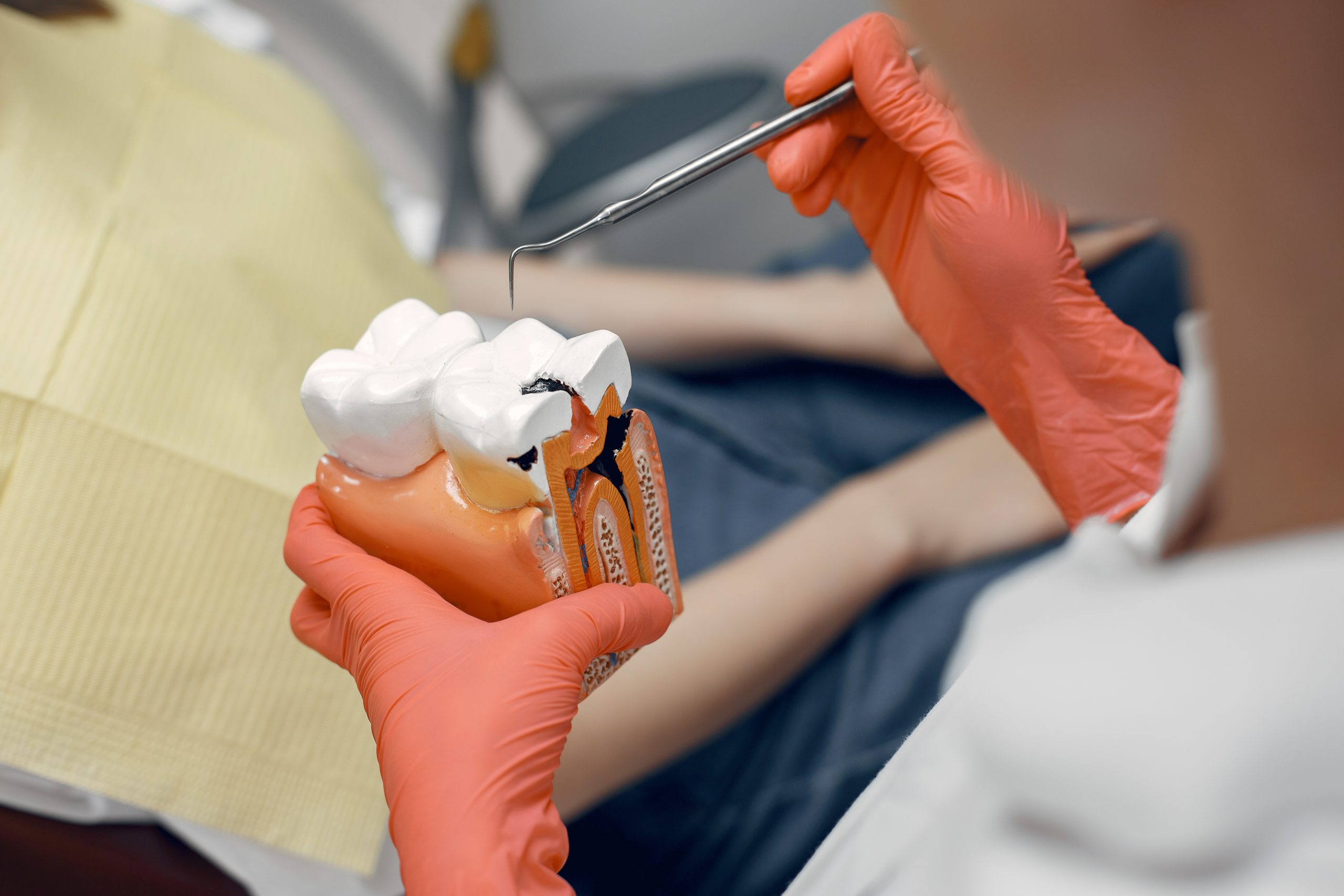
Some soreness after a root canal is expected, but occasionally pain or swelling becomes more noticeable after treatment. This is sometimes called a root canal flare-up. If you are concerned about symptoms after treatment, visit a dental clinic in Mississauga so a dentist can assess the tooth and determine whether you are experiencing normal post-treatment discomfort or something that needs attention.
Flare-ups can happen during treatment or within the first few days afterward. If you have recently received root canal treatment near you, knowing which symptoms are expected and when to contact your dentist can make recovery less stressful.
Why Do Root Canal Flare-Ups Happen?
Several factors can contribute to increased discomfort after treatment:
- Pre-existing inflammation: A tooth that was already badly inflamed or infected may remain tender for a while after treatment.
- Irritation around the root: Cleaning the canals can sometimes irritate tissues surrounding the root tip.
- Debris beyond the root: Small amounts of infected material or debris may occasionally move beyond the root tip during treatment and trigger inflammation.
- Bite pressure: A temporary filling or restoration that feels too high can place extra pressure on the treated tooth when you bite.
- Persistent infection: In some cases, bacteria may remain in complex areas of the root canal system and require further treatment.
A flare-up does not automatically mean the root canal has failed. Your dentist needs to assess the symptoms and identify the cause.
What Does a Root Canal Flare-Up Feel Like?
Symptoms can vary from one person to another. You may notice:
- Increasing pain: The tooth may ache or throb instead of gradually feeling better.
- Tenderness when biting: Pressure on the treated tooth may feel uncomfortable.
- Swelling: The gum near the tooth may become swollen or tender.
- Persistent discomfort: Pain may continue instead of improving over the first few days.
Fever, facial swelling, or difficulty swallowing are not symptoms to simply monitor at home and should be assessed promptly.
How Are Root Canal Flare-Ups Managed?
Treatment depends on what is causing the symptoms. When you visit a dental clinic near you, your dentist may examine the tooth, check your bite, and take an X-ray if needed.
For mild discomfort, you may be advised to:
- Use pain medication as directed: Over-the-counter medication may help if it is safe for you.
- Avoid heavy chewing: Try not to place unnecessary pressure on the treated tooth.
- Keep the area clean: Continue brushing and flossing carefully.
- Monitor your symptoms: Discomfort should generally improve rather than become progressively worse.
If bite pressure is contributing to the pain, your dentist may adjust the restoration. If infection or another complication is present, additional dental treatment may be necessary.
Antibiotics are not needed for every flare-up. They may be prescribed when there are signs that an infection is spreading or affecting your overall health.
When Should You Contact Your Dentist?
Call your dentist if pain becomes severe, swelling appears or increases, or symptoms are getting worse instead of improving.
Seek urgent care if you develop significant facial or neck swelling, fever with worsening dental symptoms, or difficulty breathing or swallowing.
Give Your Tooth Time to Heal
Some tenderness after root canal treatment can be part of recovery, but worsening symptoms should not be ignored. Knowing what to watch for can help you get the right care when you need it.
Contact IONA Dental Office if you have concerns after a recent root canal or need your symptoms assessed.
FAQs
Is some pain normal after a root canal?
Yes. Mild soreness or tenderness can occur for a few days after treatment. Pain that becomes severe or continues to worsen should be checked.
Can a flare-up happen even if the root canal was done correctly?
Yes. Temporary inflammation around the root can sometimes occur even after carefully performed treatment.
Does every flare-up need antibiotics?
No. Antibiotics are not routinely needed. Your dentist will determine whether they are appropriate based on your symptoms and signs of infection.
Can a high filling cause pain after a root canal?
Yes. If the treated tooth contacts too heavily when you bite, the tissues around the root can become sore. A dentist can check and adjust the bite if needed.