


When you lose a tooth, it causes real problems. Chewing gets hard. Talking sounds different. Your other teeth start to move. A dental bridge fixes this. It’s a fake tooth that fills the gap where your real tooth used to be. Yes, dental bridges near you can improve chewing and help you eat normally again. Most people feel better right away once their bridge is in place. Can dental bridges improve chewing? It’s a question we hear all the time, and the answer is simple: they absolutely do.
What Is a Dental Bridge?
How It Actually Works
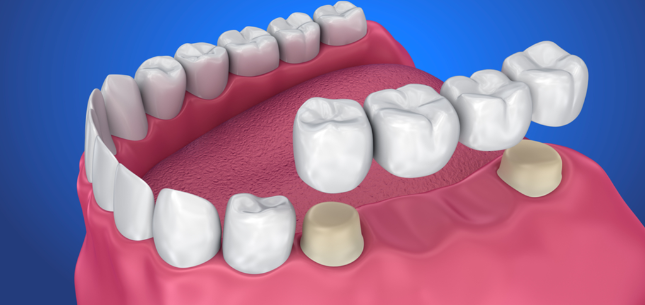
Picture a bridge you drive across. One side connects to the other side. A dental bridge works the same way. A dentist near you takes a fake tooth and connects it to your real teeth on both sides of the gap. The bridge stays in your mouth permanently. You don’t take it out at night like some other tooth replacements.
Your dentist prepares the teeth next to the missing tooth. These teeth become anchors. The bridge glues to these anchor teeth. Everything holds together firmly. Dental bridges in Mississauga are made just for you. Your dentist takes measurements and sends them to a lab. The lab makes a bridge that matches your real teeth perfectly.
Why Your Mouth Needs This
Nobody has perfectly straight teeth. They cooperate on a daily basis. When a single tooth goes missing, the entire team collapses. Your bite will change. Your mouth feels strange. Meals drop into the pit. Your tongue gets mixed up as to where it should go.
Over time, your other teeth start moving into that empty space. This creates new problems. Your teeth get crooked. Your bite gets messed up. More teeth can break or get cavities. A bridge stops all of this. It fills the gap immediately and keeps everything in place.
How Bridges Help You Chew Food
You Can Eat Both Sides Again
Your mouth has a left side and a right side. They work together when you chew. Losing a tooth makes one side weak. You start chewing only on the other side. This gets tiring and hurts after a while. Your jaw gets sore. The good side of your mouth gets exhausted from doing double work.
A bridge brings back balance. Both sides of your mouth work again. You can chew on the left. You can chew on the right. Everything feels even and easy.
Foods You Couldn’t Eat Before
Before a bridge, you probably gave up on certain foods. Apples are too hard. Carrots need too much chewing. Nuts are impossible. Steak requires real teeth. You might have eaten only soft foods like soup, mashed potatoes, and bread.
A bridge returns your choices to you. Taking a bite of the apple is fine again. Carrots are crisp and crunchy. Nuts are back on the menu again. You can have a wonderful steak for dinner. It is a pleasure to eat again. It is not a worry.
Your Digestion Works Better
Your teeth are the first step of digestion. They break food into small pieces. Your stomach needs this to work properly. When you can’t chew well, you swallow bigger pieces. Your stomach has to work harder. You might get indigestion or feel uncomfortable.
A bridge lets you chew the right way. Your food gets broken down properly. Your stomach works the way it’s supposed to. You feel better overall.
How Bridges Help You Speak Clearly
Your Words Sound Right
Your teeth help you make sounds. Think about the letter “S.” You need your teeth close together to make that sound. The letters “T” and “D” also need your teeth in the right spot. When a tooth is missing, these sounds change.
People might not understand what you’re saying. You might mumble. You might sound like you have a lisp. It’s frustrating and embarrassing.
A bridge puts your teeth back in the right place. Your sounds come out normal. You can say “S” clearly. Your “T” sounds perfect. People understand everything you say.
You Feel Brave Again
Having a missing tooth makes you silent. Talking in groups is not something you want. When you laugh, you cover your mouth. You steer clear of discussions. Your work, your friendships, your life are affected by this.
A dental bridge near will change your life. You say things as they are. You laugh out loud uproariously without covering. You are confident enough to give your opinion in meetings. You talk to people easily. You gain confidence.
How Bridges Help Your Whole Mouth
Your Bite Feels Normal
Your bite is how your top teeth meet your bottom teeth. When you lose a tooth, your bite changes. Chewing feels lopsided. Your jaw feels tired. Everything feels off.
A bridge restores your bite to how it was before. Everything feels balanced. You don’t notice anything strange. Your mouth works automatically again.
Your Other Teeth Stay Healthy
Healthy teeth need support from their neighbours. Without that support, they start to move. They tilt toward the gap. They spread apart. This creates new problems. More cavities develop. More teeth break. You end up with more missing teeth.
A bridge prevents this disaster. Your other teeth stay straight and strong. They don’t shift around. Your mouth stays healthy for years to come.
You Get Better Nutrition
Your body needs good nutrition. Good nutrition comes from eating a variety of foods. Fruits and vegetables need chewing. Proteins like chicken and fish need chewing. Whole grains need chewing.
When you can’t chew, you eat only soft foods. Soft foods often have less nutrition. You might miss important vitamins and minerals. Your body doesn’t get what it needs.
With a bridge, you can eat everything. Your body gets proper nutrition. You feel healthier and have more energy.
Your Mouth Deserves to Work Properly
IONA Dental relates to your present problems. We have aided many individuals similar to you. A missing tooth affects more than just your appearance. We understand that. It changes the way you live each day. Our team takes the time to listen to you. Everything is crystal clear. We ensure your comfort level and confidence in your bridge. Book an Appointment.
Questions People Ask Us About Dental Bridges
Q1: How long does it take to get a dental bridge?
Most bridges take two to three visits over two to three weeks from start to finish.
Q2: Will a dental bridge feel like a real tooth?
After a few days of getting used to it, most people forget they even have a bridge because it feels completely natural.
Q3: How do I take care of my dental bridge?
Brush it twice a day like a real tooth, floss under it gently every day, and visit your dentist twice a year for checkups.
Q4: How long will my dental bridge last?
A well-cared-for bridge usually lasts between five and fifteen years, sometimes even longer.