


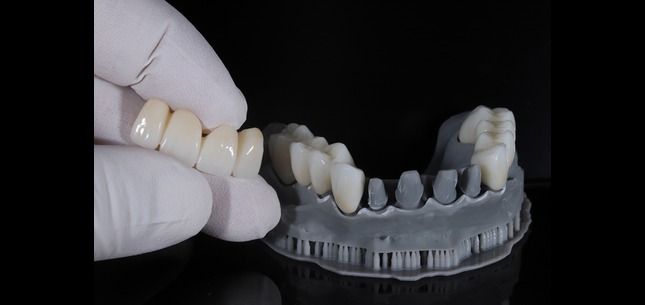
Missing teeth can make it harder to eat, speak, and smile with confidence. They can also cause nearby teeth to move into the space. A dental bridge can replace one or more missing teeth by filling the gap with artificial teeth. It is held in place by nearby natural teeth or dental implants. A dental bridge can help you chew food more easily, improve your smile, and keep nearby teeth from moving. The right type of bridge depends on how many teeth are missing, the condition of your nearby teeth, and your overall dental health.
What Are Dental Bridges?
A dental bridge is a fixed replacement for one or more missing teeth. It contains artificial teeth that fill the gap and are supported by natural teeth or dental implants.
Traditional bridges use crowns placed over the teeth on either side of the gap. These supporting teeth hold the replacement tooth in place. Other options include implant-supported bridges, which use dental implants for support.
Dental bridges in Mississauga may be considered when a missing tooth or a group of missing teeth affects chewing, speech, or the appearance of the smile.
How Do Dental Bridges Restore Your Smile?
A missing tooth can create a visible gap, especially when it is near the front of the mouth. A dental bridge fills that space with an artificial tooth designed to match the colour and shape of nearby teeth.
This can help:
- Fill gaps left by missing teeth.
- Create a more even-looking smile.
- Improve the appearance of your teeth when speaking or smiling.
- Support a balanced look between the remaining teeth.
- Reduce the self-consciousness that may come with visible tooth loss.
The replacement tooth is made to blend with the surrounding teeth. Its shade, shape, and size are selected to suit your smile.
How Do Dental Bridges Improve Chewing Ability?
Missing teeth can make it harder to bite and chew food evenly. You may begin using one side of your mouth more often, which can place extra pressure on the remaining teeth.
- A dental bridge fills the gap and provides a chewing surface.
- Depending on its location and design, it can help you:
- Bite into food more comfortably.
- Chew a wider range of foods.
- Distribute chewing pressure more evenly.
- Avoid placing extra strain on certain remaining teeth.
- Speak more clearly when missing teeth affect speech sounds.
A bridge does not work exactly like a natural tooth, but it can restore much of the function lost after tooth removal.
What Are the Other Benefits of Dental Bridges?
In addition to improving appearance and chewing, a dental bridge near you can help maintain the position of nearby teeth.
When a tooth is missing, neighbouring teeth may gradually move or tilt toward the space. This can affect how the teeth meet when biting. A bridge helps fill the gap and reduces the chance of this movement.
Other possible benefits include:
- A fixed replacement that does not need to be removed for daily activities.
- Support for normal speech when tooth loss affects pronunciation.
- A restoration designed to match nearby teeth.
- Improved comfort during everyday eating.
A bridge does not prevent every change in the mouth, so regular dental checkups remain important.
Who May Be a Suitable Candidate?
A dental bridge may be suitable when one or more teeth are missing, and the supporting teeth or implants can provide stable support.
Before suggesting a dental bridge, the dentist checks:
- The health of the teeth next to the missing tooth.
- The condition of your gums and jawbone.
- How many teeth are missing and where they are located.
- How your teeth fit together when you bite and chew.
- Whether a traditional bridge or an implant-supported bridge is a better choice.
Visiting a dental clinic in Mississauga can help you understand which option is right for your needs. If the nearby teeth are weak or unhealthy, your dentist may suggest another way to replace the missing teeth.
What Happens During Dental Bridge Treatment?
The steps depend on the type of dental bridge you need. For a traditional bridge, the process usually includes:
- Examination: The dentist checks your teeth, gums, and bite. They may also take X-rays to get a better look at your teeth.
- Tooth Preparation: The dentist gently shapes the teeth next to the gap to make room for the crowns that will hold the bridge.
- Impressions or Digital Scans: The dentist takes a mould or digital scan of your teeth to make sure the bridge fits properly.
- Temporary Bridge: You may get a temporary bridge to protect your prepared teeth while the final bridge is being made.
- Final placement: The finished bridge is checked for fit and bite before being secured.
The number of visits depends on the treatment plan and whether additional dental care is needed.
Restore Your Smile and Enjoy Comfortable Chewing Again!
Missing teeth can make eating, speaking, and smiling more difficult. A dental bridge may help fill these gaps and make daily activities easier. Contact IONA Dental to book an appointment and find out if a dental bridge is right for you. Our team can explain the treatment, discuss your options, and guide you in caring for your new teeth.
FAQs
How long do dental bridges last?
Dental bridges can last about 5 to 15 years or longer with good care. Their lifespan depends on the material used, how well you clean your teeth, your biting habits, and the health of the teeth that hold the bridge in place.
Can a dental bridge replace more than one missing tooth?
Yes. A dental bridge can replace two or more missing teeth if there are healthy teeth or dental implants to support it. The type of bridge depends on how many teeth are missing and where the gaps are located.
Does getting a dental bridge hurt?
Your dentist will numb the area before preparing the supporting teeth. This helps prevent pain during treatment. You may feel some soreness or sensitivity afterward, but it usually goes away with time.
Can you eat normally with a dental bridge?
Yes. A dental bridge can help you chew food more easily. Start by eating soft foods while you get used to it. You can slowly start eating your usual foods as you feel comfortable.