


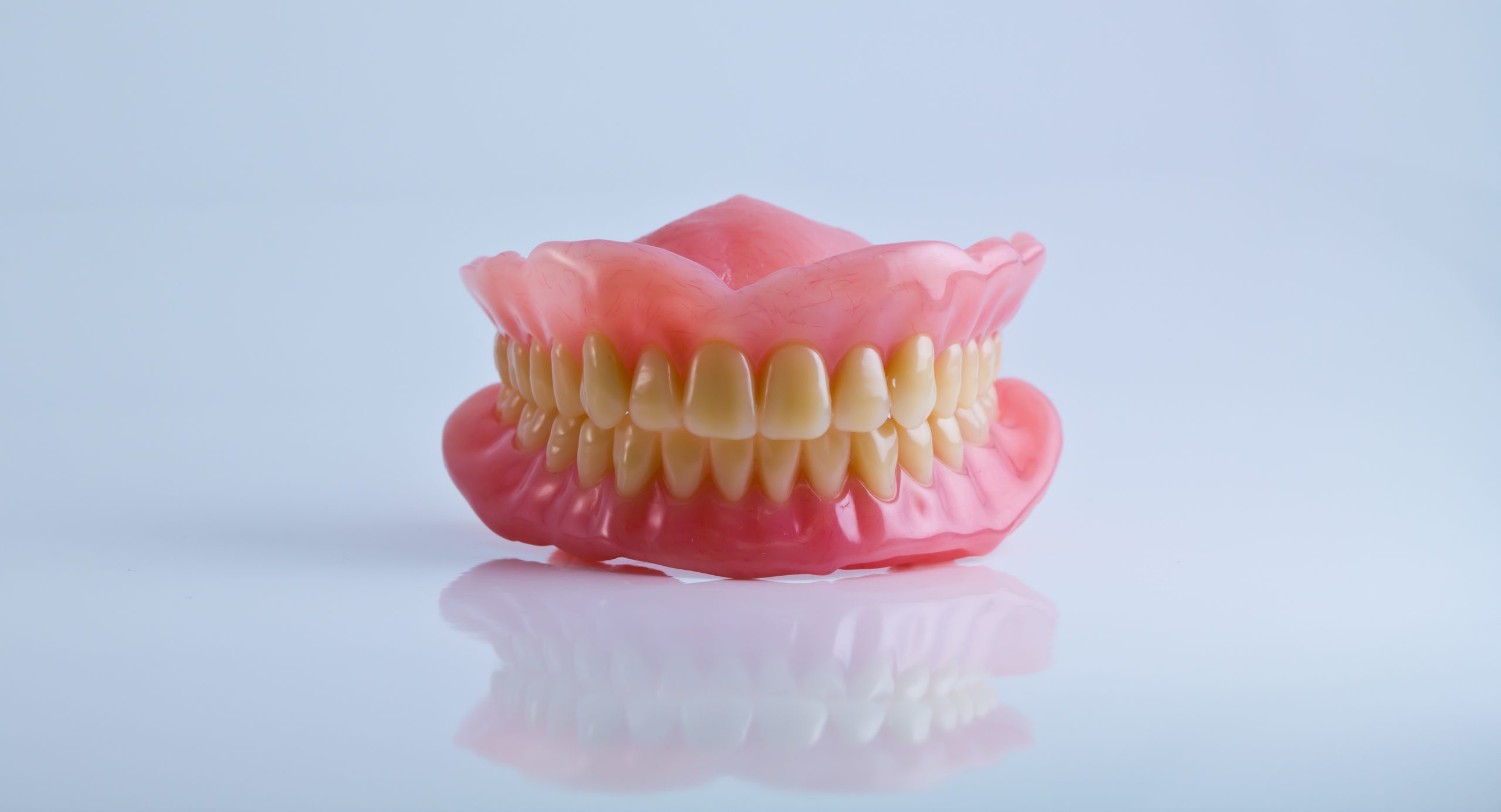
Missing teeth can affect more than the appearance of a smile. They can make chewing certain foods harder and may affect the way the teeth come together. Dentures near you can provide a removable option for replacing several missing teeth or a complete set of teeth. What Are Dentures? Dentures are custom-made dental appliances designed to replace missing teeth and the surrounding areas of the mouth. They can help restore the appearance of the smile while supporting everyday activities such as eating and speaking.
The type of denture needed depends on how many teeth are missing, the condition of the remaining teeth, and the overall health of the mouth.
What Are Dentures?
Dentures in Mississauga are removable appliances made to replace missing teeth. They are designed to fit the shape of the mouth and can be made to replace some or all of the teeth.
Depending on the situation, dentures may be:
- Complete dentures: These are used when all the teeth in the upper or lower jaw are missing.
- Partial dentures: These replace a few missing teeth while the remaining natural teeth stay in place.
- Immediate dentures: Placed soon after teeth are removed, when appropriate.
- Implant-supported dentures: Held in place with dental implants for added support.
The suitable type depends on individual dental needs and the condition of the mouth.
How Can Dentures Restore Your Smile?
Missing teeth can leave visible gaps and change the overall appearance of the smile. Dentures can fill these spaces with artificial teeth designed to look natural within the smile.
A properly fitted denture may also support the lips and cheeks, which can help maintain a more balanced facial appearance after tooth loss.
The final appearance depends on factors such as the design of the denture, the position of the replacement teeth, and the shape of the mouth.
How Do Dentures Help With Eating and Speaking?
Replacing missing teeth can help restore some of the functions affected by tooth loss. Dentures provide replacement teeth that can assist with biting and chewing food.
Speech may also feel different after getting new dentures. It can take some time for the mouth and tongue to adjust to the new appliance. Practising speaking and following dental guidance can help with this adjustment.
Who May Need Dentures?
Dentures near you may be considered when several teeth are missing or when most or all natural teeth can no longer be restored.
Dentures may be an option when tooth loss has resulted from:
- Severe tooth decay
- Advanced gum disease
- Dental injuries
- Teeth that cannot be restored
- Natural tooth loss over time
A dental assessment is needed to determine whether dentures are suitable and which type may provide the needed support.
What Happens During the Denture Process?
A dental clinic in Mississauga can assess the mouth and discuss the available tooth-replacement options. The process may include several steps:
- Dental examination: The teeth, gums, and supporting tissues are checked.
- Treatment planning: The type of denture and replacement needs are discussed.
- Measurements: Impressions or digital scans may be used to create a suitable fit.
- Denture creation: The appliance is made based on the measurements and planned design.
- Fitting and adjustments: The denture is checked in the mouth and adjusted if needed.
Several appointments may be needed depending on the type of denture and individual circumstances.
What Should Be Expected With New Dentures?
New dentures may feel unusual at first. The mouth needs time to adjust to the shape and movement of the appliance. Mild pressure or increased saliva may occur during the adjustment period.
Following care instructions and wearing the dentures as advised can help with the adjustment process. If the denture causes ongoing soreness, slips frequently, or feels uncomfortable, an adjustment may be needed.
How Long Do Dentures Last?
How long dentures last can depend on the material, how often they are used, and how well they are cleaned. Your gums and mouth can also change over time, which may make the dentures fit differently.
A Dental clinic in Mississauga can check the fit and condition of the denture during regular visits. An adjustment, repair, relining, or replacement may be recommended when needed.
Take the Next Step Toward a Restored Smile!
Replacing missing teeth can help improve the appearance of a smile and support everyday activities such as eating and speaking. IONA Dental Office can assess the condition of the mouth and explain which denture options may suit individual needs.
Book your appointment with IONA Dental Office to discuss your tooth replacement options and learn how dentures may help restore your smile.
FAQs
Can dentures improve chewing after tooth loss?
Dentures can provide replacement teeth that help with biting and chewing. However, eating with dentures may feel different from eating with natural teeth, especially during the adjustment period.
Can dentures affect the way words sound?
Yes. New dentures may make speaking feel different at first. Your tongue may need some time to get used to them. With practice, speaking can become easier and more natural.
Can dentures become loose over time?
Yes. Changes in the gums and supporting tissues can affect how dentures fit. A loose denture may need an adjustment or other treatment to improve its fit.
Can dentures be worn while sleeping?
It depends on the type of dentures and your needs. In many cases, it is better to remove dentures at night. This gives your gums a chance to rest and makes it easier to clean the dentures.