


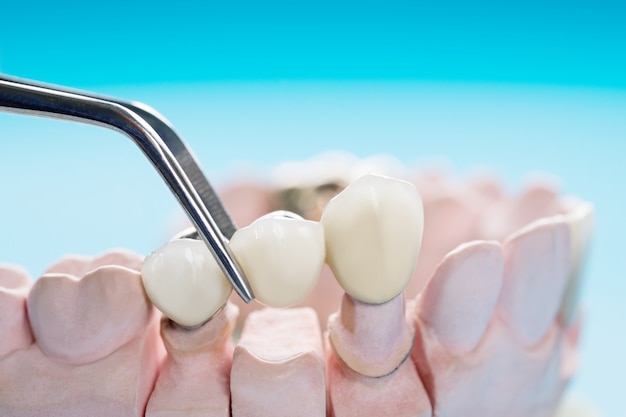
A dental crown is a custom-made cap that fits over a damaged or weakened tooth to restore its shape, size, and strength. Think of it like a protective cover that helps you chew and smile with more comfort. If you have a tooth that is cracked, badly decayed, or worn down, visiting a dentist in Mississauga can help you find out if a crown is the right option.
If you are looking for dental crowns in Mississauga, it is helpful to know when this treatment may be recommended and what the process involves.
Why Do People Need Crowns?
Common reasons for a crown include:
- Protecting a weak tooth
- Holding a cracked tooth together
- Restoring a damaged tooth
- Covering a large filling
- Improving appearance
- Covering a dental implant
- Protecting a root canal-treated tooth
If you have pain when biting down or notice that a large piece of your tooth has chipped away, visiting a dental clinic near you can help you get the tooth checked before the problem gets worse.
How the Process Works
Getting a crown usually takes two visits. During the first visit, the dentist prepares the tooth by removing a small amount of the outer layer so the crown can fit over it. They then take a digital scan or a mold of your mouth. A temporary crown is placed on your tooth to protect it while a dental lab creates your permanent one.
Fitting Your Permanent Crown
Once your custom crown is ready, you return for the second visit. The temporary crown is removed, and the permanent crown is cemented into place. The dentist will check your bite to make sure it feels comfortable when you close your mouth. Once it is finished, you can care for it like a natural tooth by brushing and flossing every day.
Different Materials for Different Needs
Crowns can be made from several materials. Porcelain or ceramic crowns are popular because they can be matched to the color of your other teeth. These are often used for front teeth, where appearance matters most.
Metal crowns, such as gold crowns, are very strong and may be used for back molars that handle heavier chewing. Some crowns combine metal and porcelain for both strength and a natural look.
Protecting Your Dental Crown
Adjusting to a new crown is usually easy. It may feel slightly different for the first day, but your tongue often gets used to the new shape quickly. The most important thing is to maintain daily hygiene. Even though the crown itself cannot get a cavity, the natural tooth underneath still needs protection from gum disease and decay around the edges.
A Strong Shield for Your Smile
Saving a natural tooth is often preferred when possible. A dental crown can help keep a weakened tooth functional for many years. It can also help you chew more comfortably and restore the appearance of your smile. Treating a damaged tooth early may reduce the risk of needing more complex treatment later.
Start Your Crown Consultation
At IONA Dental, our team is here to explain your options and help you feel comfortable throughout your treatment.
Contact us today to book your dental crown consultation.
Frequently Asked Questions
Does getting a dental crown hurt?
The process is similar to getting a filling. Your tooth and the area around it are numbed before treatment, so you should not feel sharp pain during the preparation. Mild sensitivity can happen for a few days afterward.
How long do dental crowns usually last?
Many crowns last 10 to 15 years, and some last longer with proper care. Brushing, flossing, regular checkups, and avoiding very hard objects can help protect your crown.
Can I eat normally with a crown?
Yes. Once your permanent crown is cemented in place, you can usually eat normally. While you have a temporary crown, it is best to avoid sticky or very hard foods.
How do I know if I need a crown instead of a filling?
If the damaged area is small, a filling may be enough. If the tooth is weak, cracked, or has lost a lot of its structure, a crown may be recommended. Your dentist can check the tooth and explain the best option.